
How UAE Excise Tax Works: Rates, Registration, and Returns
UAE excise tax is a federal indirect tax applied to specific goods such as tobacco products, vaping devices, energy drinks, and sweetened beverages. The tax is administered by the Federal Tax Authority through the EmaraTax platform and becomes payable when excise goods are imported, produced, or released for consum…

- Published
- Updated
- Read
- 14 min
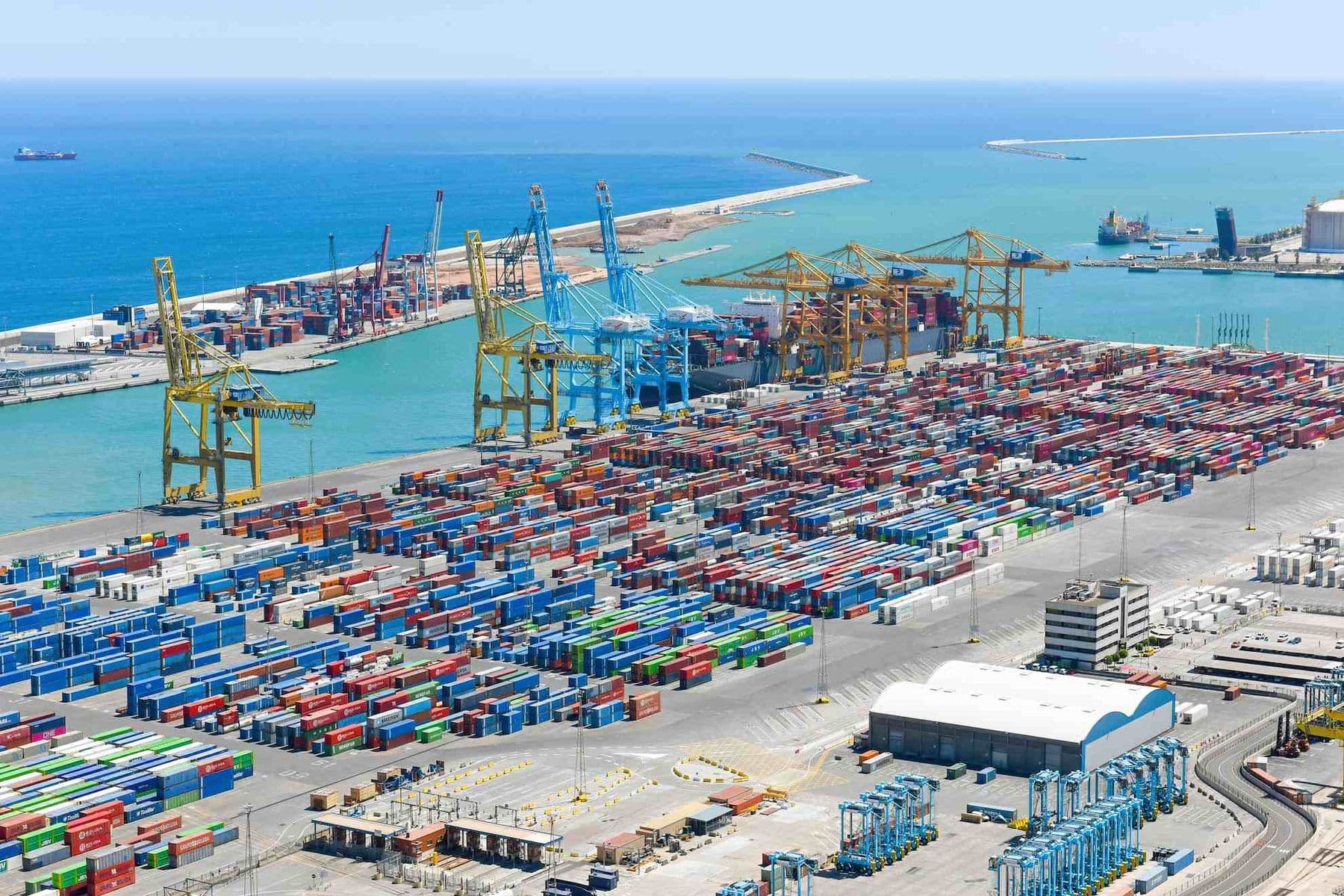
UAE excise tax is a federal indirect tax applied to specific goods such as tobacco products, vaping devices, energy drinks, and sweetened beverages. The tax is administered by the Federal Tax Authority through the EmaraTax platform and becomes payable when excise goods are imported, produced, or released for consumption in the UAE.
The tax is designed to increase the retail price of products associated with public health concerns while generating government revenue beyond oil income. Because excise tax is usually included in shelf prices, consumers rarely see it listed as a separate charge.
Businesses that manufacture, import, distribute, or store excise goods must understand how the system works. They must classify products correctly, register with the Federal Tax Authority, and submit monthly excise tax returns through EmaraTax.
For broader context on the UAE tax system, including VAT and other federal taxes, see the overview of taxes in Dubai.
Table of Contents
- UAE Excise Tax Rates and Taxable Products
- The Purpose of Excise Tax in the UAE
- How the UAE Excise Tax Policy Has Changed Over Years
- Excise Goods Subject to UAE Excise Tax
- Excise Tax Calculation Methods in the UAE
- Who Must Register for UAE Excise Tax
- Excise Tax Compliance Requirements for UAE Businesses
- How to File UAE Excise Tax Returns in EmaraTax
- Excise Tax Exemptions and Relief in the UAE
- Designated Zones and Free Zones in UAE Excise Tax
- Excise Tax Penalties and Dispute Resolution in the UAE
- Get Professional Help with UAE Excise Tax Compliance
- UAE Excise Tax Frequently Asked Questions
UAE Excise Tax Rates and Taxable Products
The following table summarizes the main excise tax rates currently applied in the UAE. These rates apply to specific categories of products identified under UAE excise tax legislation.
Product CategoryExcise Tax Rate
Tobacco and tobacco products
100%
Electronic smoking devices
100%
E-liquids
100%
Energy drinks
100%
Sweetened drinks (less than 5g sugar per 100ml)
AED 0 per liter
Sweetened drinks (5g to less than 8g sugar per 100ml)
AED 0.79 per liter
Sweetened drinks (8g or more sugar per 100ml)
AED 1.09 per liter
The tiered sugar model means the tax on beverages depends on sugar content rather than retail price. This approach encourages manufacturers to reduce sugar levels while maintaining consistent tax treatment across products.
How UAE Excise Tax Works In Practice
First, the excise tax is administered by the Federal Tax Authority, which manages registrations, compliance checks, and tax return processing. Second, businesses file excise tax returns through the EmaraTax platform, which serves as the central digital portal for UAE tax reporting. Finally, excise tax returns are typically submitted monthly, with payment due by the 15th day following the end of the tax period.
The Purpose of Excise Tax in the UAE
The UAE introduced excise tax as a targeted public policy measure rather than a general consumption tax. The framework focuses on products associated with public health risks, particularly tobacco and high-sugar beverages.
Unlike VAT, which applies broadly to most goods and services, excise tax targets only specific product categories. By increasing the price of these products, the government aims to discourage consumption and support long-term health outcomes.
The system operates under federal tax legislation commonly referred to as the UAE Excise Tax Law, supported by Cabinet Decisions and implementing regulations. Policy direction is overseen by the Ministry of Finance, while operational administration is handled by the Federal Tax Authority. Additional details about the regulatory framework are available in the official UAE government overview of excise tax.
How the UAE Excise Tax Policy Has Changed Over Years
The UAE excise tax system has evolved since it was first introduced. Over time, the government expanded the list of taxable products and updated compliance rules to strengthen enforcement and align the tax with public health goals.
YearPolicy Development
2017
UAE introduces excise tax on tobacco products, energy drinks, and carbonated beverages
2019
Expansion of excise categories to include vaping devices and sweetened drinks
2022
Updates to tax procedures and compliance framework
2026
Introduction of tiered volumetric sugar tax for sweetened beverages
One of the most significant changes came with the introduction of the tiered sugar tax for sweetened beverages. Instead of taxing drinks based on retail price, the system now links excise tax directly to sugar content. This approach encourages manufacturers to reduce sugar levels while supporting the UAE’s broader public health objectives.
Excise Goods Subject to UAE Excise Tax
Excise tax does not apply to all goods sold in the UAE. Instead, the law identifies specific categories of products that fall within the excise system. These categories currently include tobacco products, vaping devices and liquids, energy drinks, and sweetened beverages. Each category carries a defined tax treatment depending on how the law classifies the product.
These definitions determine whether businesses must register with the Federal Tax Authority, what tax rate applies, and what documentation is required to demonstrate compliance.
Sweetened Drinks Classification Under UAE Excise Tax
Sweetened drinks are defined according to sugar or sweetener content rather than marketing claims. A beverage labeled “diet” or “low sugar” may still fall within the excise definition if it contains sugars or sweeteners above the defined thresholds.
Certain beverages are excluded from the category, including some milk-based drinks, baby nutrition products, and specific medical or dietary beverages. These exclusions exist because the products serve nutritional or medical purposes.
Businesses must therefore maintain documentation verifying the sugar content of beverages. If ingredients or formulations change, the excise classification may also change.
Energy Drinks And Functional Beverage Tax Treatment
Energy drinks fall within the excise regime because they often contain stimulant ingredients and are marketed as performance beverages.
Classification depends not only on the label but also on how the product is formulated and positioned in the market. Importers frequently review classification before importing goods into the UAE to avoid delays during customs clearance.
Tobacco And Vaping Products Under UAE Excise Rules
Tobacco and vaping products represent the most heavily taxed excise categories in the UAE. To improve supply chain monitoring, the UAE introduced the Digital Tax Stamp system for tobacco products. These stamps allow regulators to track products and identify non-compliant goods.
Manufacturers and importers must ensure tobacco products carry compliant tax stamps before entering the retail market.
Excise Tax Calculation Methods in the UAE
Knowing the excise tax rate is only the starting point. Businesses must also understand how the tax base is determined.
Ad Valorem Excise Price Calculation
For categories taxed at 100 percent, excise tax is calculated using the excise price concept. This regulated valuation method helps prevent under-declaration of product value.
Because the tax base is linked to retail price, pricing decisions can directly affect excise liabilities. Companies dealing with tobacco or vaping products must therefore maintain consistent pricing and accurate product registration data.
Sugar Tier Calculation For Sweetened Drinks
Sweetened beverages are taxed per liter according to their sugar content per 100 milliliters. Higher sugar concentrations place beverages into higher excise tiers.
Businesses often rely on laboratory reports and approved documentation confirming sugar levels to determine the correct classification.
Example Of Sugar Tier Impact On Excise Tax
Consider two beverage formulations. One version contains 9 grams of sugar per 100 milliliters, while another contains 7 grams.
Under the tier system, the higher-sugar version falls into the AED 1.09 per liter category, while the lower-sugar version falls into the AED 0.79 per liter tier.
If a manufacturer releases 1,000 liters of each beverage, the lower-sugar formulation results in AED 300 less excise tax.

Who Must Register for UAE Excise Tax
Excise tax registration depends on activities involving excise goods rather than revenue thresholds.
Activities That Require Excise Tax Registration
Businesses must typically register when they import excise goods, manufacture excise goods, stockpile excise goods, or store excise goods in designated zones. These activities commonly occur across supply chains involving manufacturers, distributors, importers, and logistics providers.
Non-Regular Importer Treatment
Some situations involve non-regular importers who bring excise goods into the UAE occasionally. In limited cases this may affect registration expectations. However, businesses expecting ongoing imports typically complete registration early to avoid compliance issues later.
Excise Tax Compliance Requirements for UAE Businesses
Businesses that handle excise goods must follow a structured compliance process to meet their reporting obligations. This includes registering excise activities with the Federal Tax Authority, registering excise products, maintaining documentation that supports product classification, tracking imports and inventory movements, and submitting monthly excise tax returns through EmaraTax.
Accurate internal records are essential because excise tax reporting relies heavily on product classification and transaction data. Maintaining clear documentation throughout the reporting period helps ensure that returns submitted to the Federal Tax Authority are accurate and reduces the risk of compliance issues during audits.
For many businesses, maintaining this level of documentation requires strong bookkeeping and accounting processes. Well-organized financial records make it easier to track taxable goods, verify product classifications, and ensure that excise transactions are recorded correctly throughout the reporting period.
Product Registration and Data Accuracy Controls
Many excise compliance issues originate during product registration. Incorrect classifications or incomplete product information can lead to inaccurate tax calculations.
Businesses should therefore maintain clear product documentation and confirm that excise goods are registered correctly within the EmaraTax system. Verifying product details before filing returns helps prevent reporting errors and ensures that tax liabilities are calculated correctly.
How to File UAE Excise Tax Returns in EmaraTax
Excise tax returns in the UAE are submitted through the EmaraTax portal, which is the digital platform used by the Federal Tax Authority for tax reporting. Businesses that import, manufacture, or release excise goods must file returns on a monthly basis.
The filing process generally follows these steps:
1. Register Excise Activities with the Federal Tax Authority
Before submitting returns, businesses must complete excise tax registration and obtain a Tax Registration Number (TRN). This registration allows the business to access EmaraTax and manage excise reporting.
2. Register Excise Products in EmaraTax
After registration, businesses must record all products that fall within the excise tax regime. This process includes submitting product details and documentation supporting product classification.
3. Record Monthly Excise Transactions
During the reporting period, businesses should track imports, production activity, stock movements, and releases for consumption. Maintaining accurate records throughout the month simplifies the filing process.
4. Submit the Excise Tax Return
At the end of the reporting period, businesses submit their excise tax return through the EmaraTax portal. The return summarizes all taxable transactions for that month.
5. Pay the Excise Tax Due
After filing the return, the business must pay the excise tax owed through the EmaraTax system. Payment should be completed before the deadline to avoid penalties.
Excise Tax Return Process and Filing Deadline
Excise tax returns are filed monthly, and the deadline is typically the 15th day following the end of the tax period. Businesses often perform internal reconciliations before submitting returns to confirm that inventory movements, imports, and tax calculations have been recorded accurately.
Submitting returns on time and verifying tax calculations before filing helps prevent administrative penalties and ensures compliance with Federal Tax Authority regulations.
Recordkeeping Requirements for Excise Tax Audits
Excise audits typically focus on three areas: the quantity of goods handled, the classification of those goods, and the calculation of tax liabilities.
Businesses must retain supporting documentation such as laboratory reports, product specifications, customs records, and inventory movement logs. Maintaining organized records allows businesses to respond quickly if the Federal Tax Authority requests supporting evidence during a compliance review.
Excise Tax Exemptions and Relief in the UAE
Not every movement of excise goods results in an immediate tax liability. In certain situations, excise tax may not be payable, provided that specific conditions are met and the appropriate documentation is maintained.
One common example involves exports of excise goods outside the UAE. If goods are exported and evidence confirms that they have left the domestic market, the transaction may qualify for excise tax relief. Businesses must maintain supporting export documentation to demonstrate that the goods were not consumed within the UAE.
Excise goods stored in designated zones may also fall outside the tax scope while they remain under controlled storage conditions. However, once those goods are released for consumption in the UAE market, excise tax becomes payable.
Because excise tax relief depends heavily on documentation, businesses must maintain clear records of product movements, export documentation, and warehouse transactions. Without sufficient evidence, the Federal Tax Authority may treat the goods as released for consumption and therefore subject to excise tax.
Designated Zones and Free Zones in UAE Excise Tax
The terms free zone and designated zone are sometimes used interchangeably, but under UAE excise tax rules they refer to different regulatory frameworks. Understanding the distinction is important for businesses that import, manufacture, or store excise goods.
A free zone is a business jurisdiction that offers regulatory and commercial advantages such as foreign ownership and simplified licensing. A designated zone, however, is a location specifically approved under excise tax regulations where excise goods may be stored under controlled warehouse procedures.
Goods stored in designated zones are subject to strict monitoring requirements and must follow defined procedures for storage, movement, and release.
Designated Zone Warehouse Requirements
Businesses operating in designated zones must maintain detailed records of excise goods stored within those facilities. These warehouses are subject to regulatory oversight to ensure that excise goods remain under controlled conditions until they are released into the UAE market.
Operators must track product movements, maintain inventory records, and ensure that excise goods are handled according to the procedures established by the Federal Tax Authority.
Release for Consumption and Excise Tax Liability
Excise tax typically becomes payable when goods are released for consumption in the UAE market. While goods remain within designated zones under controlled storage conditions, they may not immediately trigger a tax liability.
However, once those goods leave the designated zone and enter the domestic market, the excise tax obligation arises. Businesses must therefore track when goods move from storage into commercial distribution.
Customs Classification and Excise Tax Alignment
Excise tax compliance often intersects with customs classification because excise goods are identified through tariff codes used in import documentation.
Aligning customs tariff codes with product registration information in EmaraTax helps prevent classification disputes and ensures that excise tax is applied correctly to imported products.

Excise Tax Penalties and Dispute Resolution in the UAE
The UAE has a structured enforcement framework for tax compliance, including excise tax. The Federal Tax Authority (FTA) monitors compliance through audits, inspections, and reviews of tax returns submitted through the EmaraTax platform.
Businesses that fail to meet their excise tax obligations may face administrative penalties. These penalties are intended to encourage timely filing, accurate reporting, and proper recordkeeping.
Late Filing and Compliance Penalties
Administrative penalties may apply if a business fails to submit its excise tax return within the required timeframe. The first late filing may result in a penalty of AED 1,000. If the violation occurs again within 24 months, the penalty may increase to AED 2,000.
Additional penalties may apply if taxes remain unpaid, incorrect information is submitted in a tax return, or required documentation is not provided during a compliance review.
Because excise tax reporting relies heavily on accurate product classification and transaction records, businesses should verify their data before submitting returns through EmaraTax.
FTA Compliance Checks and Excise Tax Audits
The Federal Tax Authority may conduct compliance checks or audits to verify that businesses are reporting excise tax correctly. These reviews may include examining product classifications, sugar content documentation for beverages, customs records, and inventory movement logs.
Maintaining organized records allows businesses to respond quickly if the FTA requests supporting information during an audit.
Excise Tax Objection and Dispute Procedures
If a business disagrees with an excise tax assessment or administrative penalty, it may submit a reconsideration request through the UAE tax dispute framework.
The process allows taxpayers to present documentation supporting their position and request that the Federal Tax Authority review the decision. Maintaining clear records throughout the reporting period helps businesses resolve disputes more efficiently if disagreements arise.
Get Professional Help with UAE Excise Tax Compliance
UAE excise tax rules can be complex for businesses that import, manufacture, or distribute excise goods. Because the tax applies to a limited range of products but carries strict reporting obligations, companies must ensure their records and reporting processes are accurate. This includes maintaining reliable documentation, tracking inventory movements, and preparing accurate monthly returns through EmaraTax.
Strong financial records play an important role in managing these obligations. Businesses with well-maintained accounting systems are better equipped to track excise goods, maintain documentation, and respond to compliance reviews by the Federal Tax Authority.
The team at TaxReady.ae helps UAE businesses maintain reliable bookkeeping and accounting systems, ensuring that financial records remain organized and compliant with tax reporting requirements.
If your business wants to strengthen its accounting systems or improve its tax compliance processes, contact the TaxReady team to learn how professional bookkeeping and accounting support can help keep your business on track.
UAE Excise Tax Frequently Asked Questions
What Products are Subject to UAE Excise Tax?
Products subject to UAE excise tax include:
- tobacco and tobacco products
- electronic smoking devices
- e-liquids used in vaping devices
- energy drinks
- sweetened beverages containing sugar or sweeteners
These categories are defined under UAE excise tax legislation and monitored by the Federal Tax Authority.
What is an E-Liquid Under UAE Excise Tax?
E-liquids are liquids used in electronic smoking devices, commonly known as vaping products. Under UAE excise tax rules, these liquids are classified as excise goods and are typically subject to 100% excise tax when they are imported, produced, or released for consumption in the UAE.
E-liquids may contain nicotine or be nicotine-free, but both types fall within the excise tax framework when used in vaping devices.
Who Must Register for UAE Excise Tax?
Businesses must register for excise tax if they:
- import excise goods into the UAE
- manufacture excise goods locally
- stockpile excise goods
- store excise goods in designated zones
Registration is completed through the EmaraTax system operated by the Federal Tax Authority.
When are UAE Excise Tax Returns Due?
Excise tax returns are filed monthly through EmaraTax.
The filing deadline is generally the 15th day following the end of the tax period. Businesses must ensure imports, production activity, and inventory movements are accurately reported before submitting the return.
Do Carbonated Drinks Still Have Excise Tax in the UAE?
Carbonated drinks are no longer treated as a separate excise tax category. Instead, beverages are assessed under the sweetened drinks definition, which focuses on sugar or sweetener content rather than carbonation.
What Documentation is Required For Sweetened Drink Classification?
Businesses must maintain documentation confirming the sugar content of beverages. This typically includes laboratory reports and approved conformity documentation verifying sugar levels.
These records support correct product classification when registering products through EmaraTax.
What Happens if Excise Tax Returns are Filed Late?
Late filing of excise tax returns can trigger administrative penalties. The first violation may result in an AED 1,000 penalty. If the violation occurs again within 24 months, the penalty increases to AED 2,000. Additional penalties may apply if tax remains unpaid.
